How Indian Bridal Hairstyles Complement Traditional Wedding Attire
A bridal outfit tells a story through its colours, embroidery, jewellery, and silhouette. The right hairstyle completes that story by bringing every detail together. When planning Indian bridal make up and hair, brides should consider how their hairstyle will complement their traditional attire rather than treating it as a separate styling choice.
From elaborate lehengas to elegant sarees, the right hairstyle can enhance a bride’s appearance while allowing her outfit and jewellery to stand out.
Why Is the Right Bridal Hairstyle Important?
Indian wedding outfits often feature intricate embroidery, rich fabrics, and statement accessories. A carefully selected hairstyle creates balance without making the overall appearance feel overwhelming.
For example, a heavily embroidered lehenga with a dupatta covering the head may look beautiful with a neat bun. On the other hand, a simpler saree can pair well with soft curls or a more voluminous hairstyle.
The idea is to create harmony between the outfit, face shape, jewellery, and personal style.
Which Hairstyles Work Best with Different Indian Bridal Outfits?
Different traditional outfits create different styling opportunities. Here are some combinations brides can consider.
1. Traditional Buns with Bridal Lehengas
A classic bun is a popular choice for brides wearing heavily embellished lehengas. It keeps the hair neatly arranged and provides a suitable base for maang tikkas, earrings, and dupatta placement.
Brides can choose between sleek buns and softer versions with loose strands around the face. Floral accessories can also add a traditional touch.
2. Soft Curls with Sarees
Soft curls create a graceful appearance with traditional sarees, particularly when the outfit has a relatively simple neckline or lighter embellishments.
Side-parted curls can frame the face beautifully, while a half-up hairstyle offers a balance between an open hairstyle and a more structured look.
3. Braided Hairstyles for Traditional Ceremonies
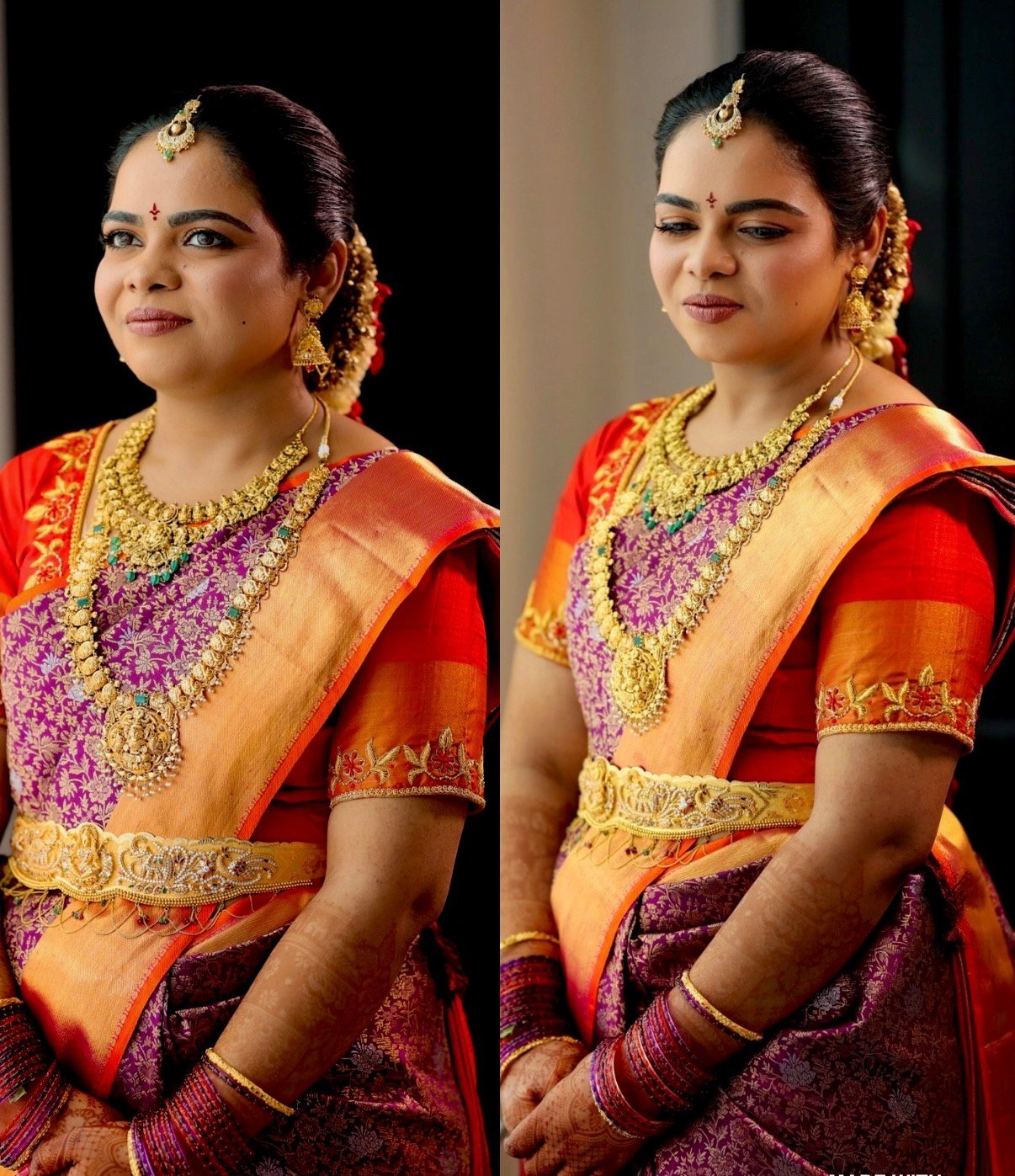
Long braids decorated with flowers, hair accessories, or traditional ornaments can complement silk sarees and South Indian bridal outfits.
They also provide a practical option for brides who prefer keeping their hair secured throughout wedding rituals.
How Should You Match Bridal Hair with Makeup and Jewellery?
A coordinated beauty look considers more than just the hairstyle.
Keep these factors in mind:
- Jewellery: Heavy earrings and necklaces often pair well with hairstyles that keep the hair away from the face.
- Face shape: Side-swept sections, middle parts, and added volume can change how a hairstyle frames facial features.
- Outfit details: High-neck blouses and heavily decorated dupattas may work better with neatly secured hairstyles.
- Makeup: Your makeup finish and hairstyle should complement each other without competing for attention.
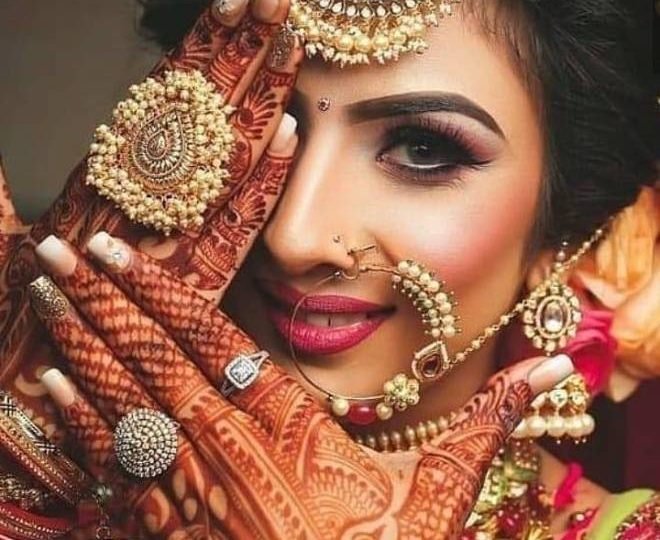
Professional bridal makeup services can help bring these elements together for a balanced appearance.
When Should Brides Plan Their Bridal Hair and Makeup?
Ideally, brides should discuss their preferred looks before the wedding day. Sharing outfit photographs, jewellery choices, and hairstyle references helps the beauty team understand the desired appearance.
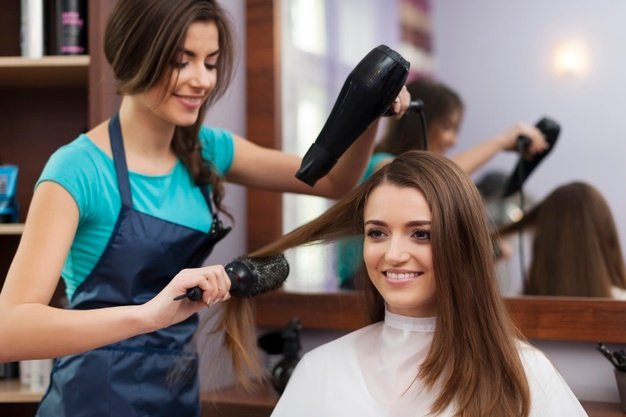
It is also worth discussing hair texture, length, and previous treatments before selecting a style. Professional hair services, including haircuts, colouring, highlights, and styling for bridal occasions, can help brides prepare their desired look.
Complete Your Wedding Look with Indian Bridal Make Up and Hair
The best bridal appearance comes from thoughtful coordination. Whether you prefer a traditional bun, flowing curls, or an intricate braid, your hairstyle should complement your outfit and reflect your personality.
Contact threading bar salon and spa for Indian bridal make up and hair planning, every element can work together to create a beautiful, confident look for your wedding celebrations.
Frequently Asked Questions
- Which hairstyle is best for an Indian bride wearing a lehenga?
A traditional bun is a versatile choice for lehengas, particularly when paired with a dupatta and statement jewellery. Brides can also consider soft curls or half-up hairstyles depending on their outfit’s neckline, embellishments, and personal preferences.
- Should Indian bridal hairstyles match the colour of the wedding outfit?
Not necessarily. The hairstyle should complement the outfit’s overall design rather than match its colour. Hair accessories, flowers, and jewellery can introduce coordinated details without making the entire look feel overly planned.
- Are open hairstyles suitable for traditional Indian weddings?
Yes. Open curls, waves, and side-swept hairstyles can look elegant with sarees and lighter bridal outfits. However, brides should consider their jewellery, dupatta placement, and wedding activities when choosing an open hairstyle.
- How can brides make their hairstyles complement heavy bridal jewellery?
Choose a hairstyle that leaves enough room to display important jewellery pieces. Neatly secured buns and side-swept styles can work particularly well with large earrings, maang tikkas, and layered necklaces.
- How early should I book Indian bridal makeup and hair services?
It is sensible to enquire several weeks or months before the wedding, particularly during busy wedding seasons. Early planning gives brides time to discuss their preferences, confirm service availability, and coordinate their beauty arrangements with their outfits.